

 5 Jul
5 JulFirst-Time Pet Parent Checklist: 12 Things You Actually Need (And 5 You Don’t)
So you’re bringing home your first pet. Congratulations — and also, take a breath.
Walk into any pet store and you’ll be greeted by aisles of gadgets, gourmet treats, monogrammed beds, and a hundred products promising to make you a “better” pet parent. It’s a lot. Most first-timers walk out either overspending on things they’ll never use, or so overwhelmed they leave with nothing but a bag of food and a vague sense of panic.
Here’s the truth: pets don’t need much to thrive. They need consistency, safety, and a handful of well-chosen basics. This guide cuts through the noise so you know exactly what to buy before your new companion comes home — and what to skip until you actually need it (if ever).
The 12 Essentials
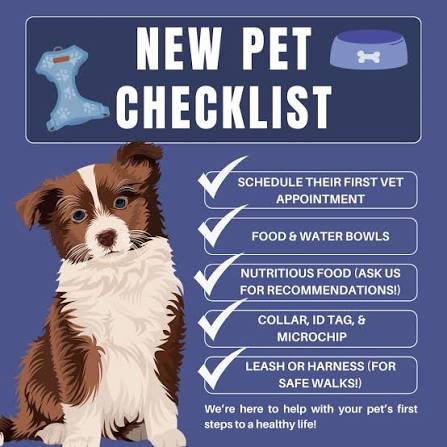
1. Food and water bowls Stainless steel or ceramic bowls are easy to clean and don’t harbor bacteria the way some plastics do. Skip anything overly novel until you know your pet’s habits.
2. A quality food appropriate for their life stage Puppies, kittens, adults, and seniors have different nutritional needs. Ask your vet for a recommendation rather than guessing based on packaging claims.
3. A collar and ID tag Even indoor-only pets escape sometimes. A collar with an ID tag is the fastest way for someone to get your pet back to you.
4. A leash (for dogs) or harness Non-negotiable for walks, vet visits, and general safety. A basic 6-foot leash covers nearly every situation a beginner will encounter.
5. A crate or carrier Useful for car rides, vet trips, training, and giving your pet a safe space to retreat to. Size it appropriately — too big and it loses its “den” effect.
6. Bedding A simple, washable bed gives your pet a designated place to settle in. It also helps with house-training by creating a clear routine.
7. Litter box and litter (for cats) One box per cat, plus one extra, is the standard rule of thumb. Unscented, clumping litter is the safest starting point for most cats.
8. Grooming basics A brush suited to your pet’s coat type, plus nail clippers, keeps shedding and overgrown nails from becoming bigger problems down the line.
9. Chew toys or enrichment toys These redirect natural chewing, scratching, or hunting instincts away from your furniture and toward something appropriate.
10. Poop bags or a scoop Unglamorous but essential. Dog owners need bags for walks; cat owners need a scoop for daily litter maintenance.
11. A first-aid kit A small kit with gauze, pet-safe antiseptic, and your vet’s emergency number can matter a great deal in the first stressful moments of an injury.
12. A vet appointment scheduled in advance Not a product, but arguably the most important item on this list. A wellness check within the first week catches issues early and gets your pet on a vaccine and parasite-prevention schedule.
The 5 Things You Don’t Need Yet
1. Expensive designer bedding Your new pet may chew, scratch, or have an accident on it before they’re house-trained. Start basic and upgrade later.
2. A wardrobe of costumes and outfits Fun for social media, unnecessary for a pet who’s still adjusting to their new environment.
3. Multiple toy types “just in case” You don’t yet know what your pet likes. Start with two or three toys and observe before buying more.
4. High-tech gadgets (automatic feeders, pet cameras, GPS collars) Helpful eventually, but not essential in week one. Get the basics right first, then add technology if it solves a real problem you’ve identified.
5. A large stockpile of food Pets can have sensitivities you won’t discover until they’ve eaten something for a few days. Buy a small bag first in case you need to switch.
Realistic First-Month Budget
| Category | Estimated Cost |
|---|---|
| Food and water bowls | $10–$25 |
| Initial food supply | $20–$40 |
| Collar, ID tag, leash/harness | $20–$45 |
| Crate or carrier | $30–$80 |
| Bedding | $20–$50 |
| Litter box and litter (cats) | $25–$50 |
| Grooming basics | $15–$30 |
| Toys and enrichment | $15–$30 |
| Poop bags/scoop | $5–$10 |
| First-aid kit | $15–$25 |
| First vet visit (exam, basic vaccines) | $75–$200 |
| Estimated Total | $250–$585 |
Costs vary depending on species, size, and where you shop, but this range covers a realistic, well-prepared first month without overspending on extras you don’t need yet.